
Many outsourced accounting models seem similar, however they tend to operate very differently. Some are built around high client volume and transaction processing. Others are structured more like a dedicated accounting department with ongoing communication, reporting oversight, and operational support. These differences matter more than most companies expect.
What is an Outsourced Accounting Model?
An outsourced accounting model is the structure a company uses to manage accounting operations through an external team instead of building a full in-house department.
Some firms assign accountants across a large group of clients, while some build dedicated teams around each client. That setup affects reporting quality, communication, and how familiar the accounting team becomes with the business.
3 Core Components of an Outsourced Accounting Model
1. Dedicated Accounting Team
Some outsourced accounting firms spread one accountant across 10 to 15 clients. That usually creates gaps in communication and consistency over time.
However a dedicated person or team learns the business over time. They recognize operational patterns, reporting issues, and areas where numbers do not line up. After a while, they usually start catching problems earlier because they understand how the business actually operates.
Strategic CFO’s model is built around dedicated accounting support, often including a controller and senior accountant assigned specifically to one client.
2. Defined Financial Processes
The model only works when processes are standardized and documented, such as:
- Month-end close procedures
- Approval workflows
- Cash flow reporting
- Revenue recognition processes
- Inventory accounting procedures
- Job costing or project tracking
- Forecasting and budgeting cadence
3. Management Oversight
The accounting team should stay connected to leadership and operations. In most successful engagements, management reviews financials regularly with the accounting team. Discussions should entail:
- Margin performance
- Working capital trends
- Cash flow
- Forecast changes
- Operational issues impacting financial reporting
- Variance analysis
This is usually where accounting starts becoming more useful to management instead of simply producing reports every month.

How an Outsourced Accounting Model Works Day to Day
The Initial Assessment and Transition
Most companies already have bookkeeping or some internal accounting function when they move to outsourced accounting. Usually the issue is that reporting is inconsistent, delayed, or difficult to trust.
The transition process often entails:
- Reviewing the chart of accounts
- Cleaning up historical transactions
- Reviewing reconciliations
- Evaluating reporting accuracy
- Identifying workflow bottlenecks
- Reviewing internal controls
- Assessing current software systems
For larger organizations, onboarding may also involve onsite meetings with leadership and department managers. That part matters more than people think because accounting problems are usually tied to operational workflow issues somewhere in the business.
Ongoing Accounting Operations
Once the system is stabilized, the outsourced accounting team typically handles ongoing financial operations such as:
- General ledger management
- Bank reconciliations
- Accounts payable and receivable oversight
- Financial statement preparation
- Cash flow forecasting
- Budget tracking
- KPI reporting
- Inventory accounting
- Percentage-of-completion accounting for construction companies
Some businesses only need day-to-day accounting support. Others need forecasting, financial and operational reporting, controller oversight, and help cleaning up reporting processes that have drifted over time.
Reporting and Communication Cadence
If management only hears from accounting once a month after reports are finalized, operational issues usually surface too late. By then, the accounting team is reacting to problems instead of helping management stay ahead of them.
Typical communication touchpoints should include:
- Weekly operational meetings
- Monthly financial reviews
- Quarterly planning discussions
- Forecast updates
- Cash flow reviews
- Budget variance discussions
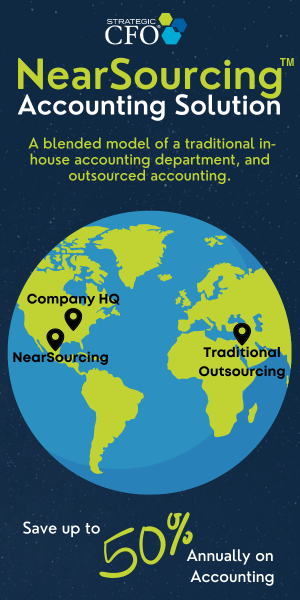
Offshore vs. Nearshore Outsourced Accounting Models
| Offshore Model | Nearshore Model |
| Shared accounting teams across many clients | Dedicated accounting team assigned to the client |
| Large time zone differences | Similar working hours |
| Communication often delayed | Faster communication and response times |
| More transactional support focused | More operational and management support |
| Limited visibility into day-to-day operations | Closer integration with leadership and operations |
| Higher staff turnover in some models | More continuity and consistency |
| Usually lower cost structure | Higher collaboration and oversight |
Signs Your Current Outsourced Accounting Model is Not Working
- Financial statements arrive late. If monthly reporting consistently drifts weeks behind schedule, management decisions are being made with outdated information.
- Leadership doesn’t trust the numbers. Usually management starts keeping separate spreadsheets, manually checking reports, or avoiding financial discussions because confidence in the numbers is low.
- High turnover on the accounting team. Frequent staff changes create continuity problems and increase the risk of reporting inconsistencies.
- Communication feels reactive. When accounting only responds after problems surface, the business usually lacks enough financial visibility to manage proactively.
What should businesses expect from a strong outsourced accounting model?
- Timely financial reporting
- Clear accountability
- Consistent communication
- Dedicated accounting personnel
- Accurate reconciliations
- Better forecasting visibility
- Operational reporting support
- Ongoing process improvement
Discover Strategic CFO’s Outsourced Accounting Approach
Strategic CFO provides outsourced accounting support for growing businesses that need accurate financial reporting and ongoing accounting oversight. The model is built around dedicated support, recurring management interaction, and accounting teams that work closely with the business. Additionally, Strategic CFO offers temp CFO services, accounting consulting, CFO services, corporate restructuring, merger and acquisition support and more.
Questions? Contact Strategic CFO to learn more!